Summary
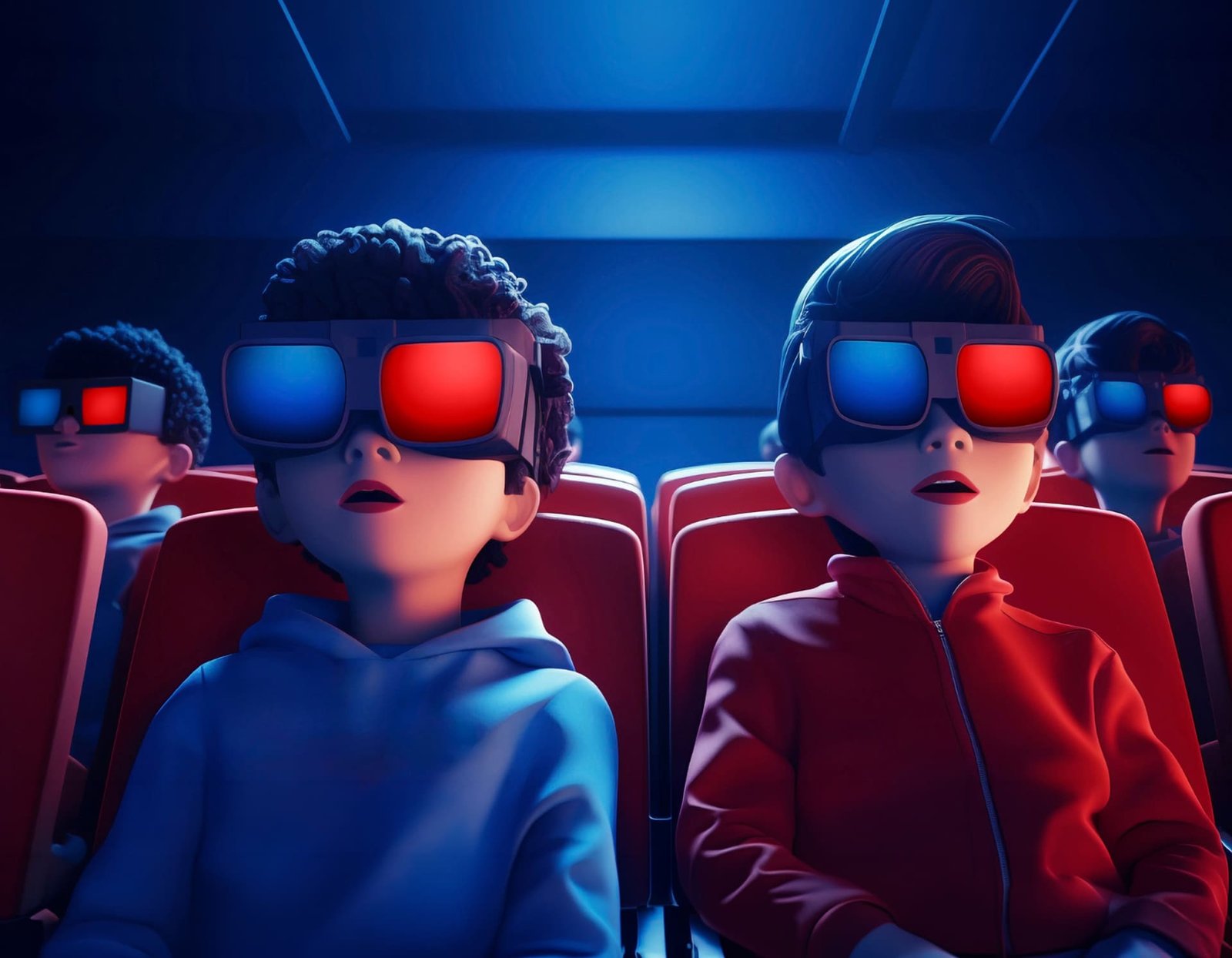
Since the first film screening in Paris at the end of the 19th century, cinema has continued its quest to construct its own unique aesthetic and narrative forms. At the heart of this quest lies the possibilities offered by the technological advancements of the time. Cinema's tendency to explore and experiment with technological innovations has led to formal and narrative transformations over time, causing cinema to evolve into different genres and subcategories. Although some film theorists have argued that this technological orientation threatens the essence of cinema as a young art form, it seems that the relationship between cinema and technology has now reached an irreversible point. Since the first film screenings, the cinematic experience has been based on the viewer witnessing images created by sequential movements within a rectangular frame on a two-dimensional plane, from a fixed position. However, since the beginning of the 21st century, rapidly developing information technologies, digitalization processes, and especially interactive systems specific to the gaming industry have led to radical transformations in the production, distribution, and exhibition practices of visual arts; this has also given cinematic narrative a new form: VR Film. Positioned at the intersection of cinema and contemporary technologies, VR film transcends traditional viewing practices, immersing the viewer in a real-time, spatial experience within a three-dimensional virtual space through wearable technologies. To consider VR cinema solely as a technical innovation or instrumental development would be to overlook the epistemological and aesthetic possibilities offered by this narrative form. In this context, tracing the technological evolutionary trajectory of cinema from the dark box to the invention of the cinematograph, from sound and color technologies to digital cinema; conceptualizing the interactive relationship between cinema and technology; and developing a theoretical perspective on the future of VR cinema are of crucial importance.
Keywords: VR film, virtual reality cinema, experiential film, immersive video, VR narrative.
Abstract
Cinema has continued its quest to construct its own aesthetic and narrative forms since the first film screening in Paris in the late 19th century. At the center of this quest are the possibilities offered by the technological developments of the period. Cinema's tendency to explore and experience technological innovations has led to formal and narrative transformations over time, resulting in its evolution into different genres and subcategories. Although some film theorists have argued that this technological orientation threatens the essence of cinema as a young art form, today it is seen that the relationship between cinema and technology has reached a point of no return. Since the first film screenings, the cinematic experience has been based on the viewer witnessing images created by sequential movements in a rectangular frame on a two-dimensional plane from a fixed position. However, since the beginning of the 21st century, rapidly developing information technologies, digitalization processes and especially interactive systems specific to the gaming industry have led to radical transformations in the production, distribution and screening practices of visual arts; Thus, bringing out a new form to the cinema narrative: VR Film. Positioned at the intersection of cinema and contemporary technologies, VR film goes beyond traditional viewing practices and involves the viewer in a real-time spatial experience in a three-dimensional virtual space through wearable technologies. To consider VR cinema only as a technical innovation or instrumental development would be to ignore the epistemological and aesthetic possibilities offered by this narrative form. In this framework, following the technological evolutionary line from the dark box to the invention of the cinematograph, from sound and color technologies to digital cinema, conceptualizing the interactional relationship between cinema and technology is of decisive importance in order to develop a theoretical perspective on the future of VR cinema.
Keywords: VR film, virtual reality cinema, experiential film, immersive video, VR narrative.
Authors: Kenan SUBAŞİ, Alev Fatoş PARSA, Elçin AS
DOI Number: 10.56723/dyad.1677487