Motion Design Masterclass
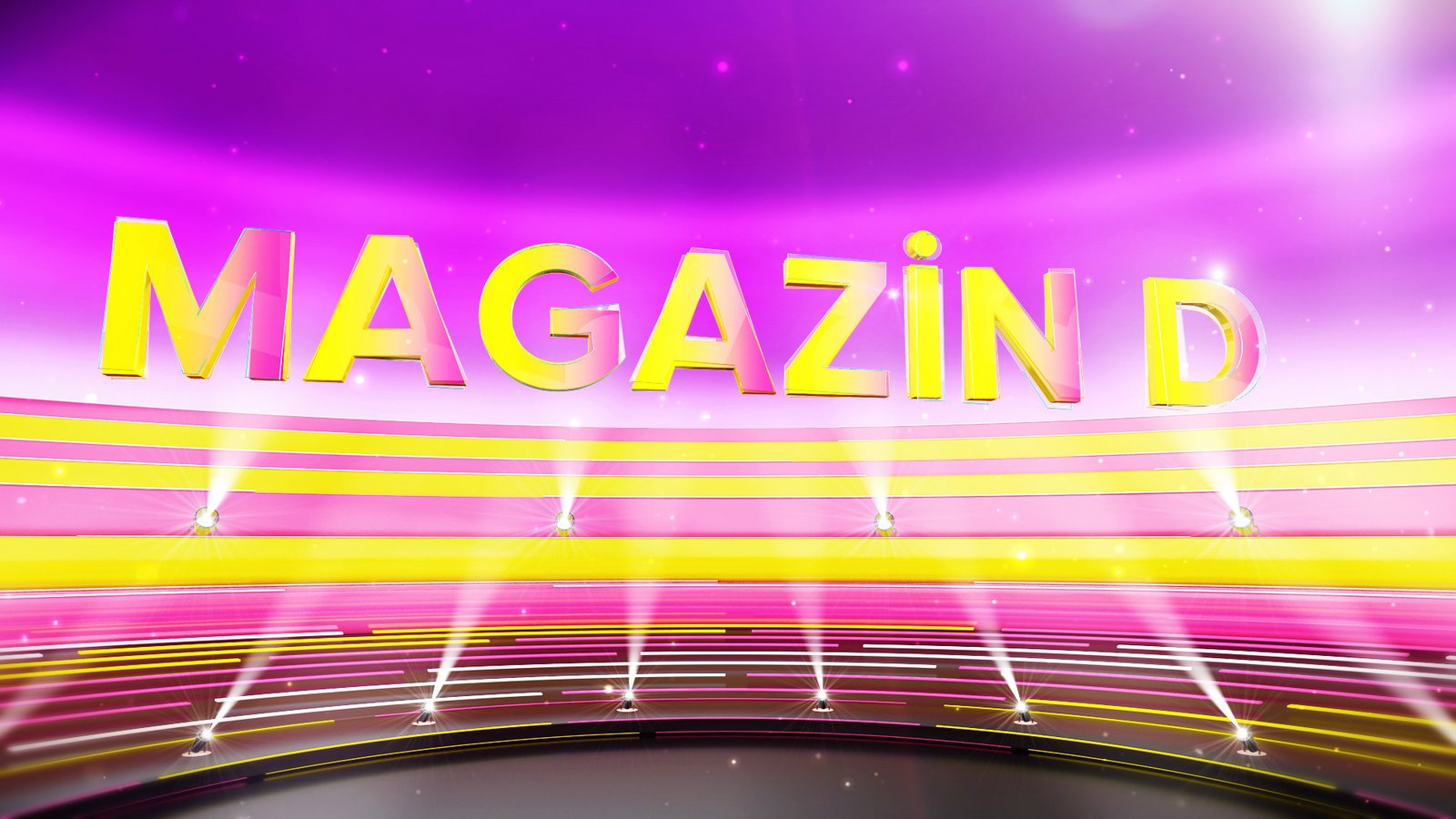
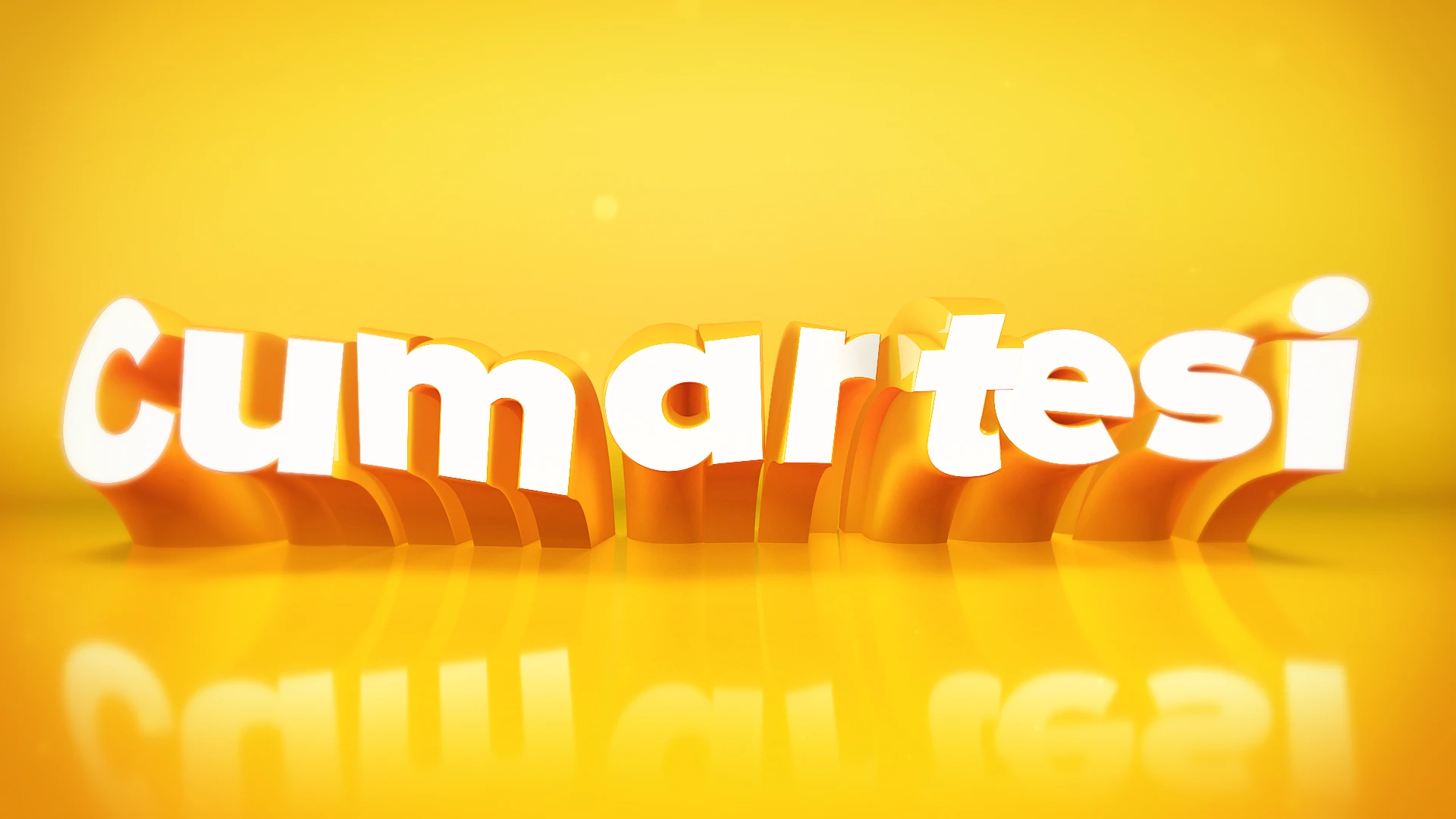
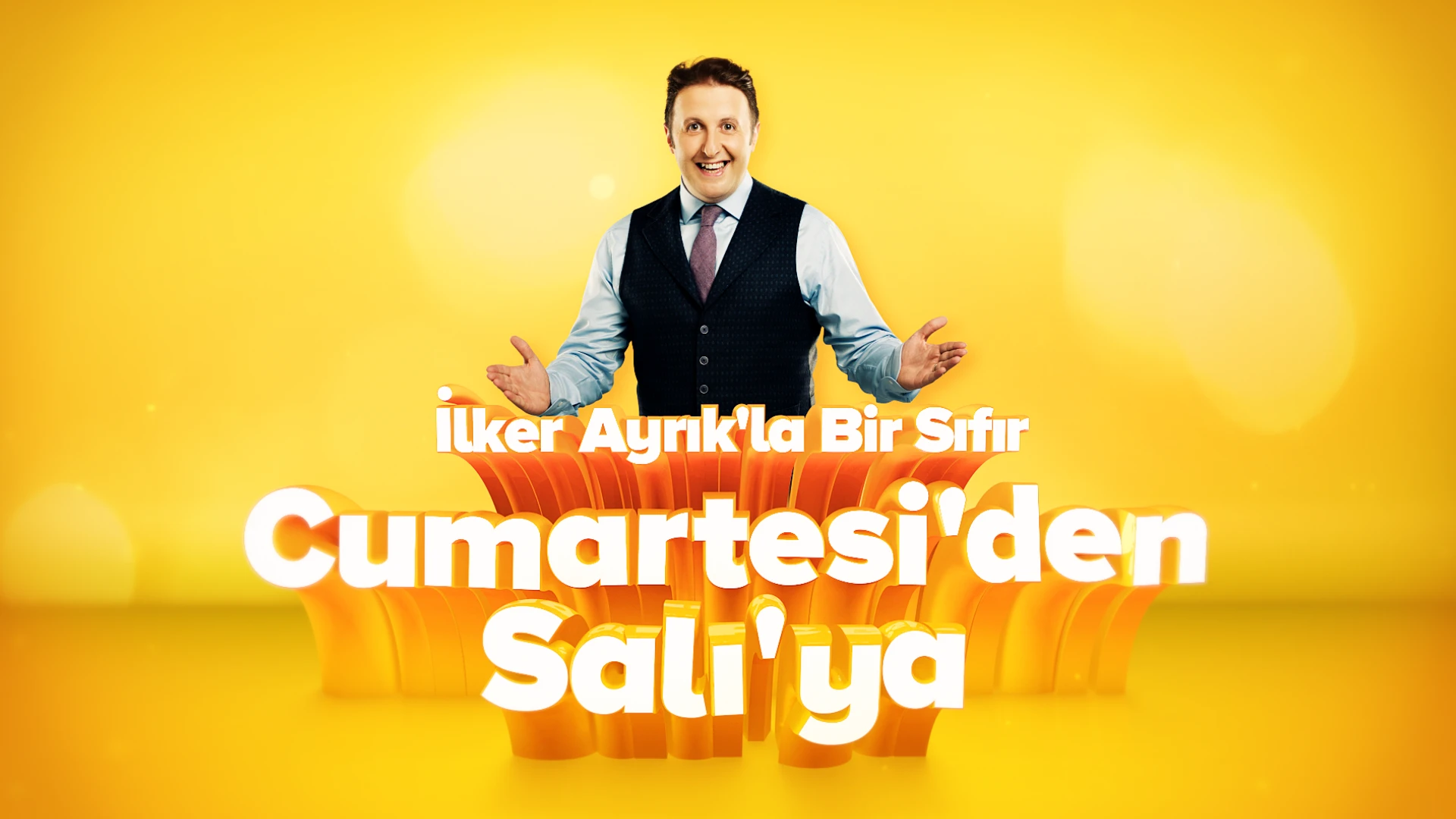
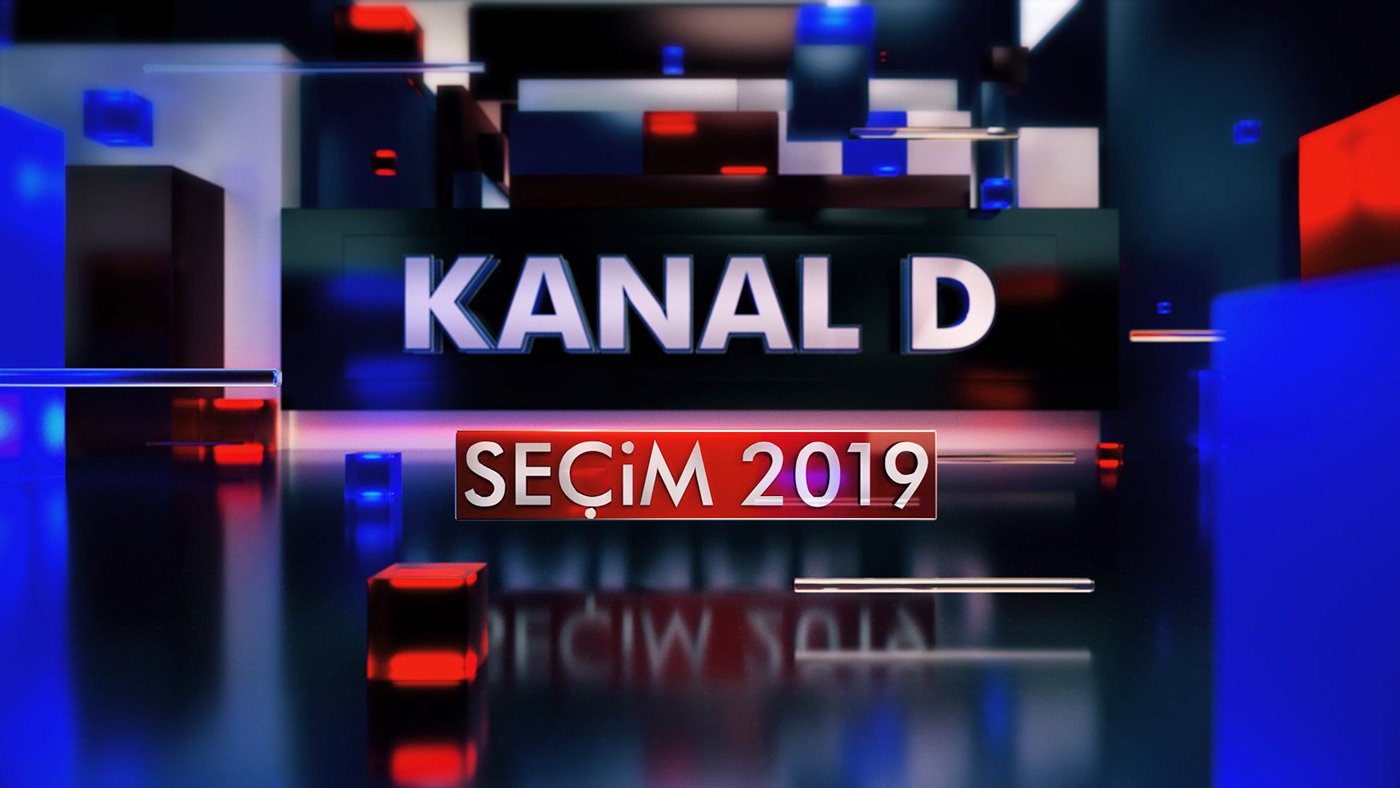
The difference between knowing the software and producing industry-standard work is the subject of this masterclass. You already use the tools; here, the focus shifts to the work itself: how to create a channel identity, how to manage a CGI commercial from brief to delivery, how to build a personal visual language. The program operates on studio logic: weeks of technical in-depth learning are followed by three comprehensive studio projects conducted in real-world industry formats.
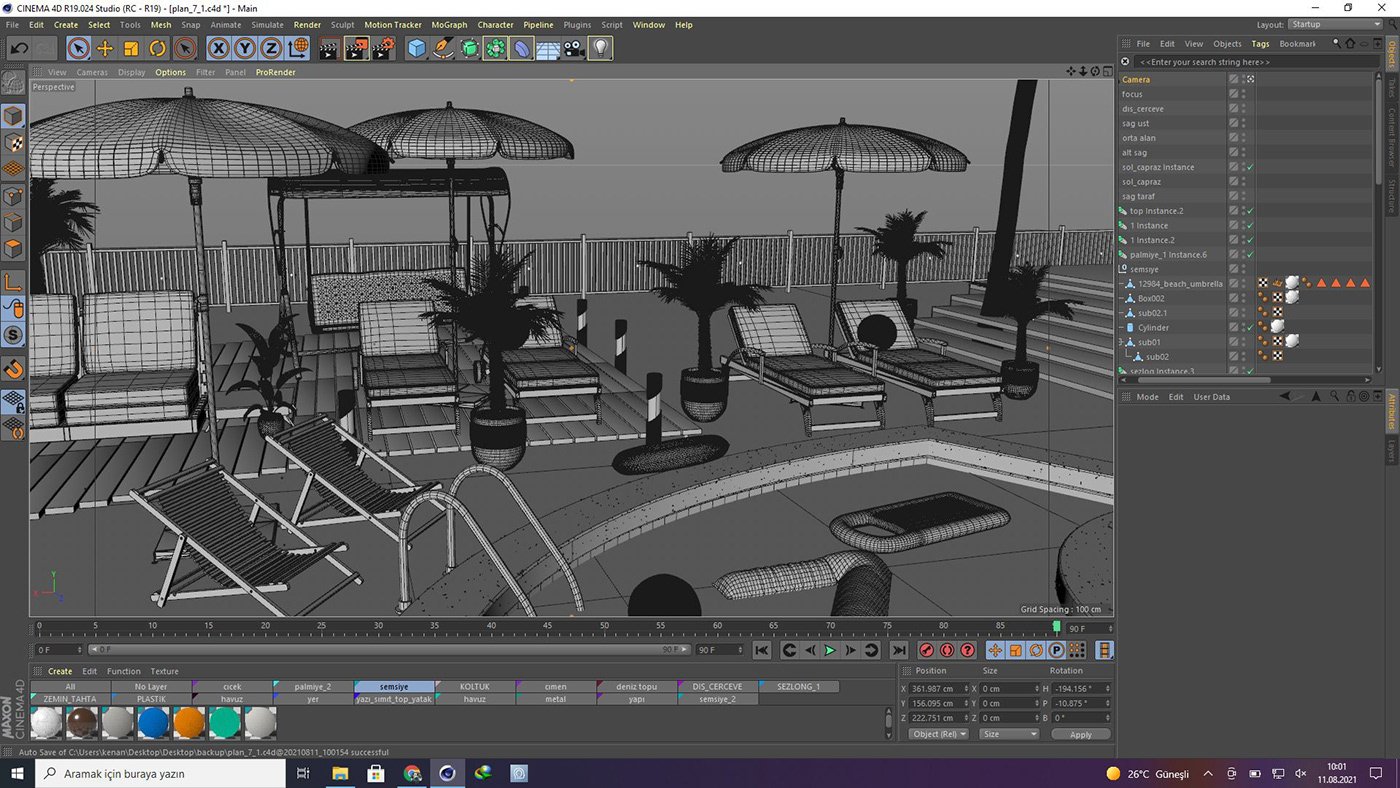
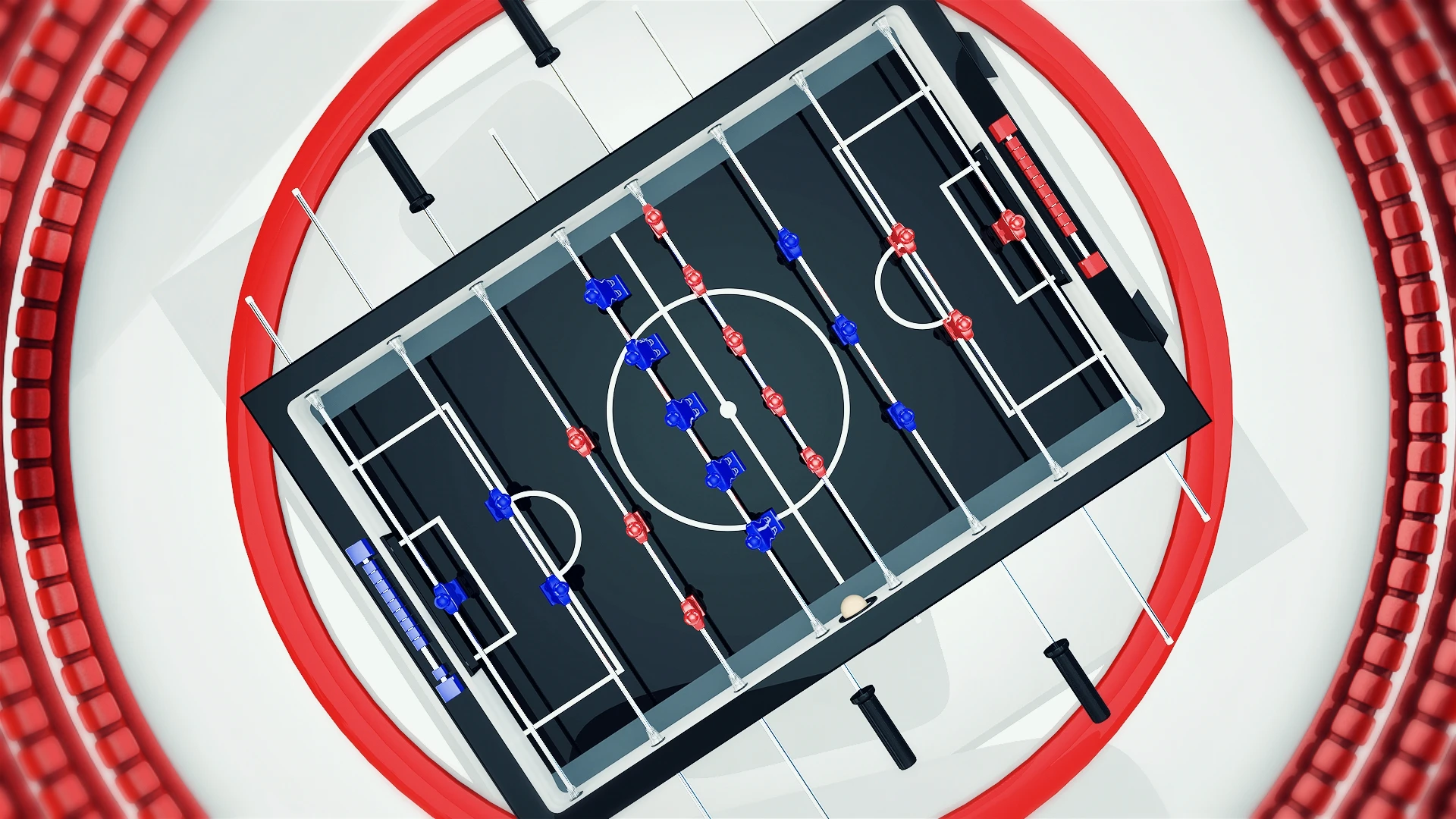
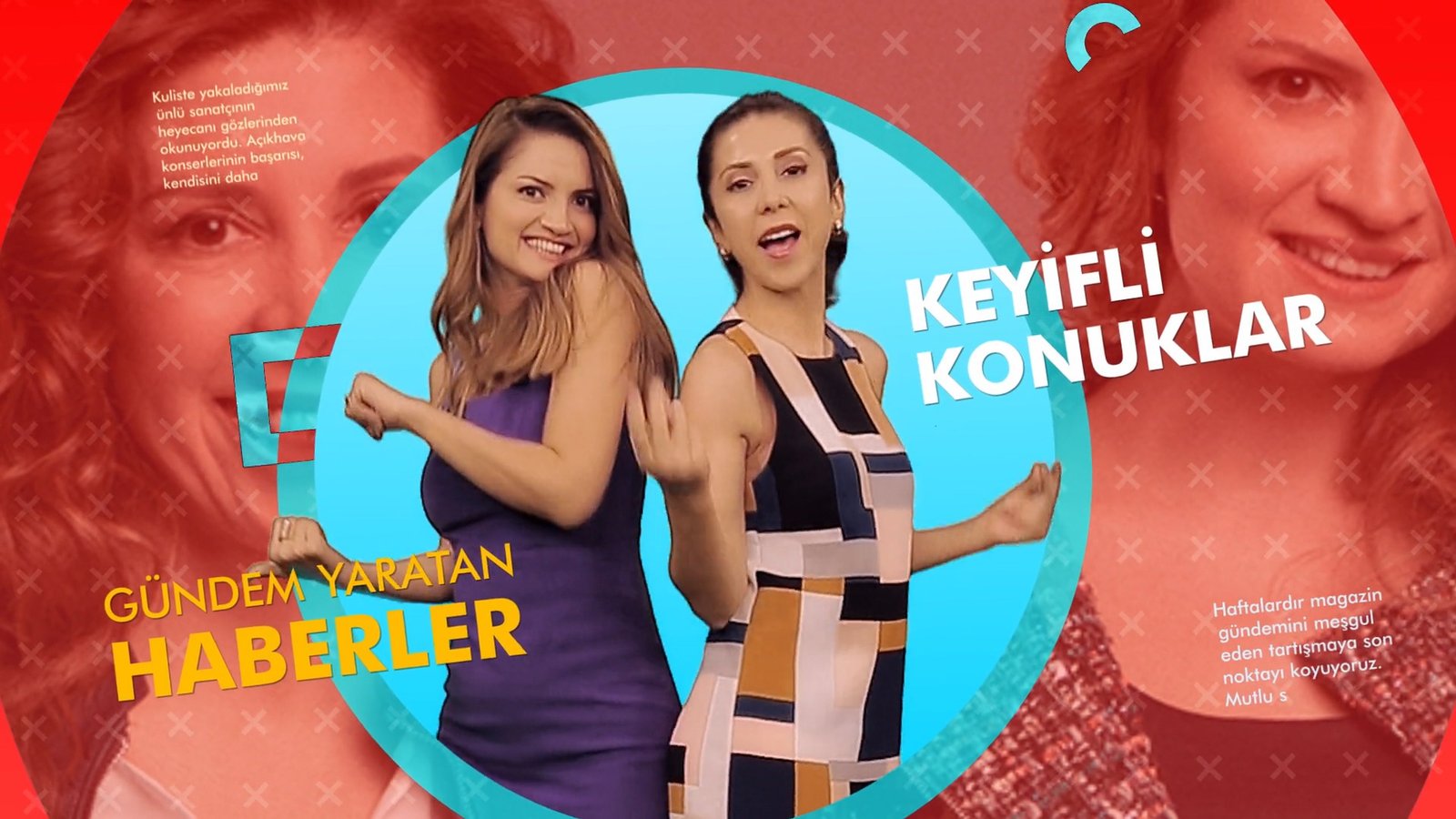
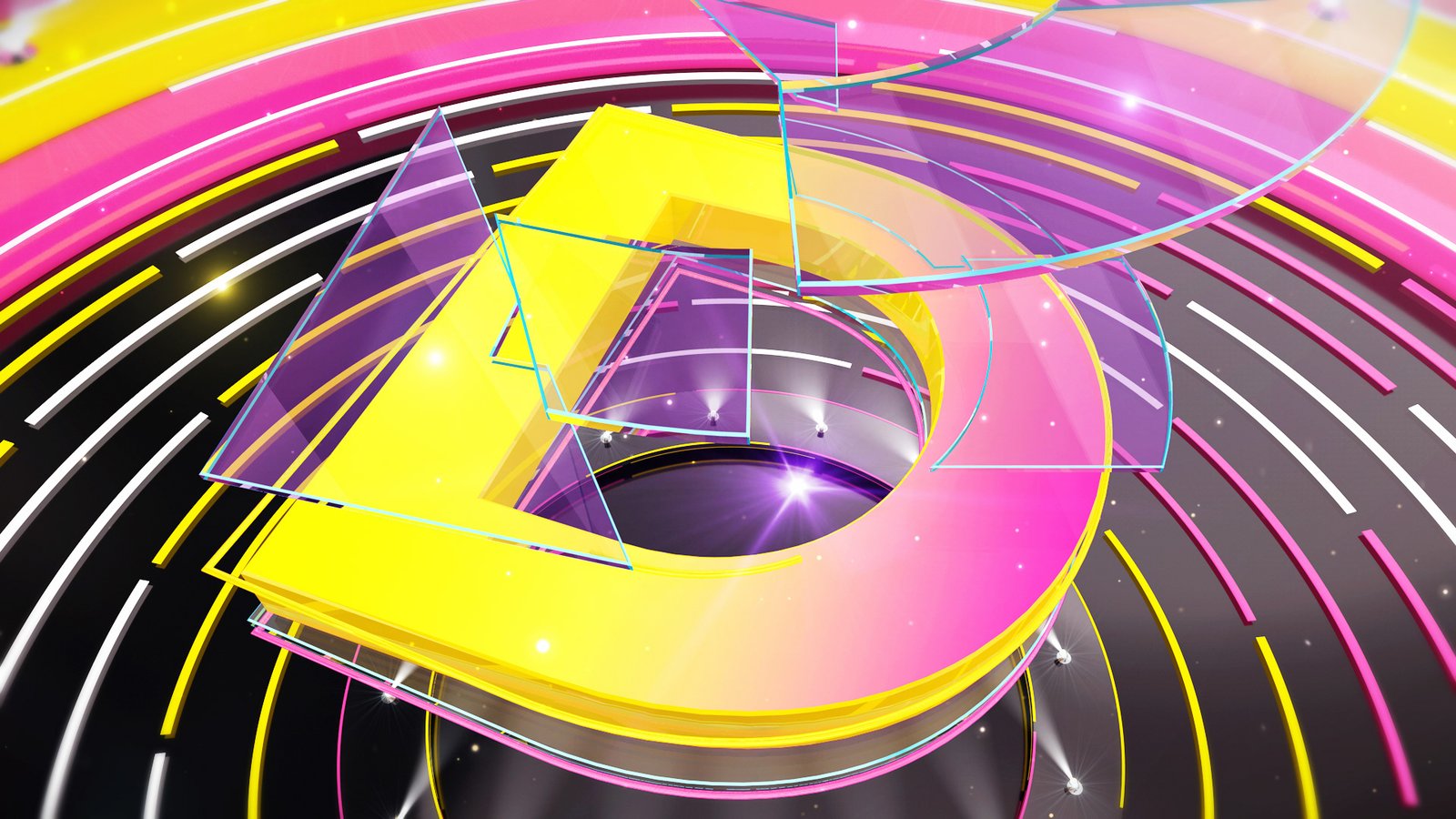
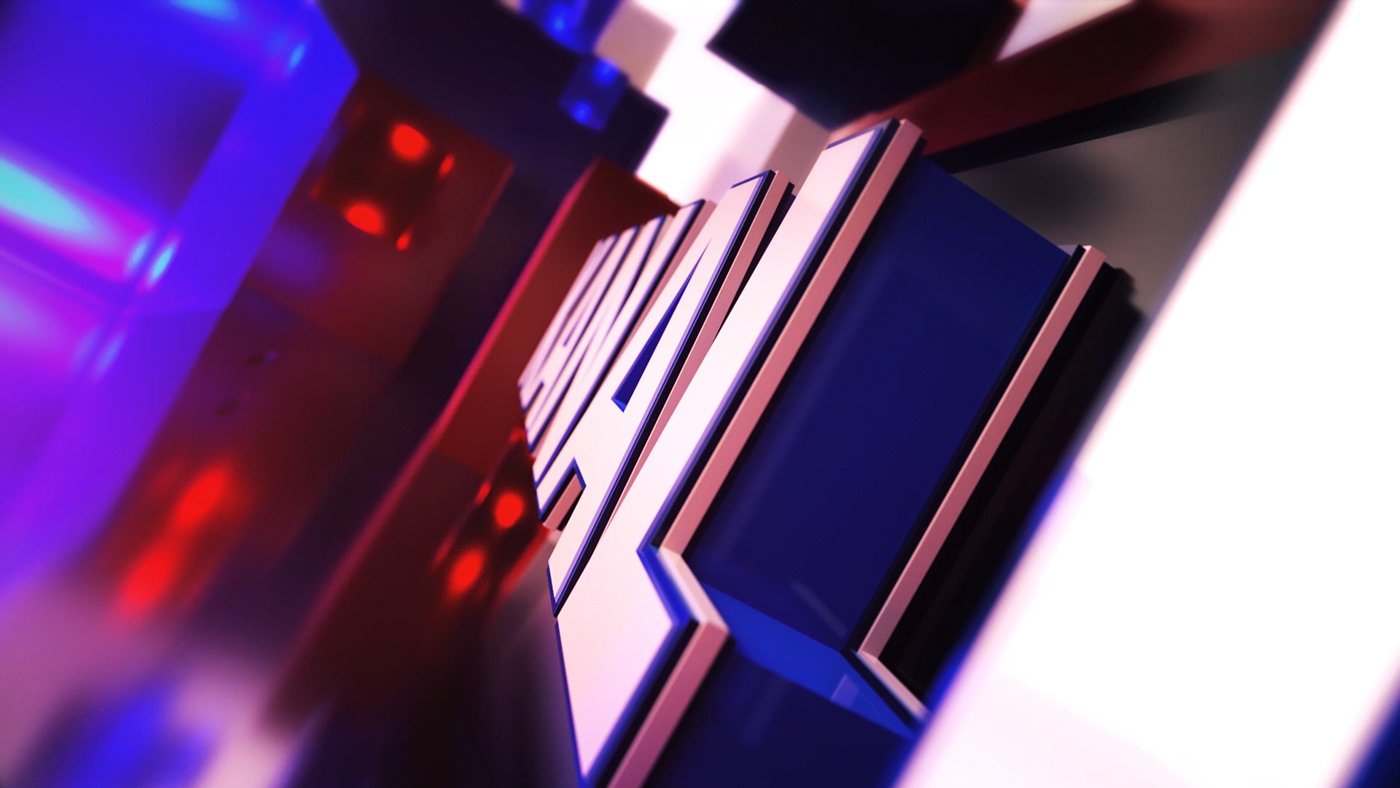
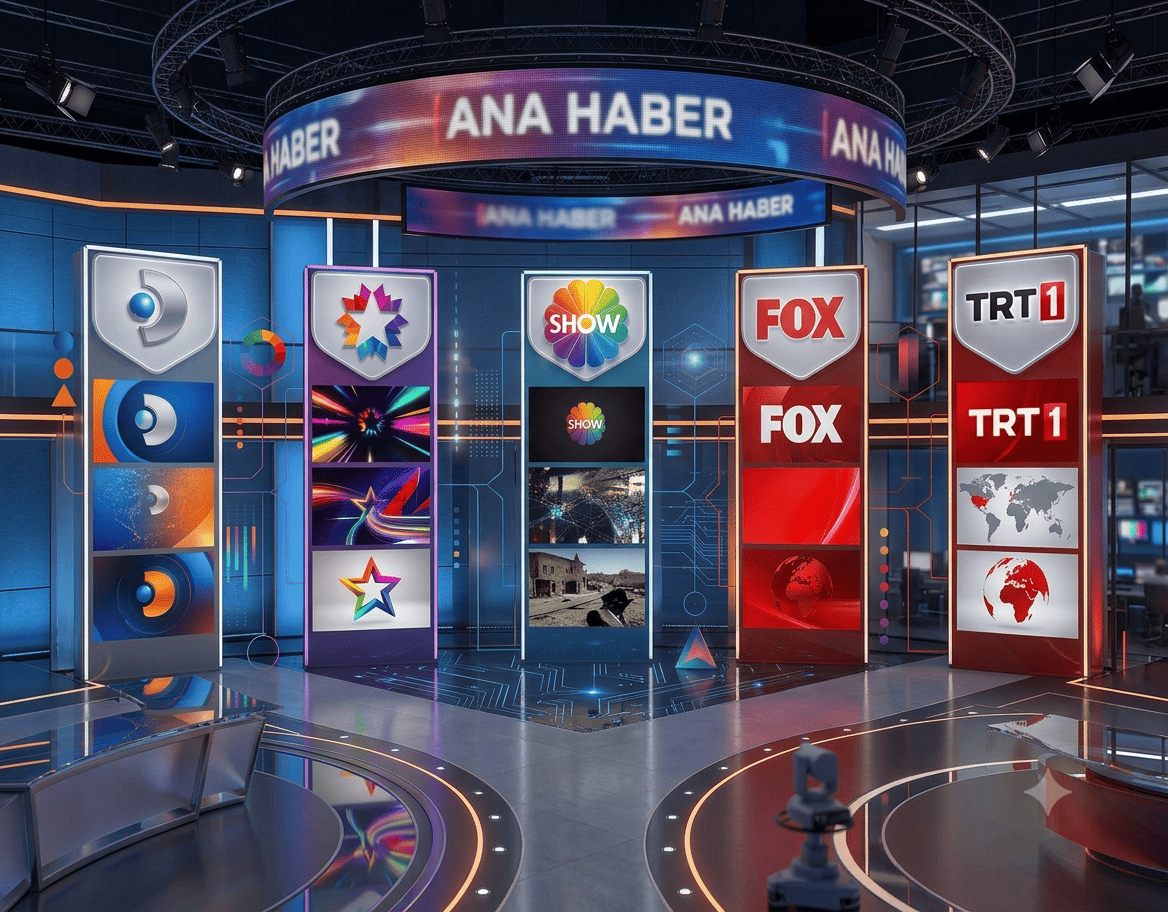
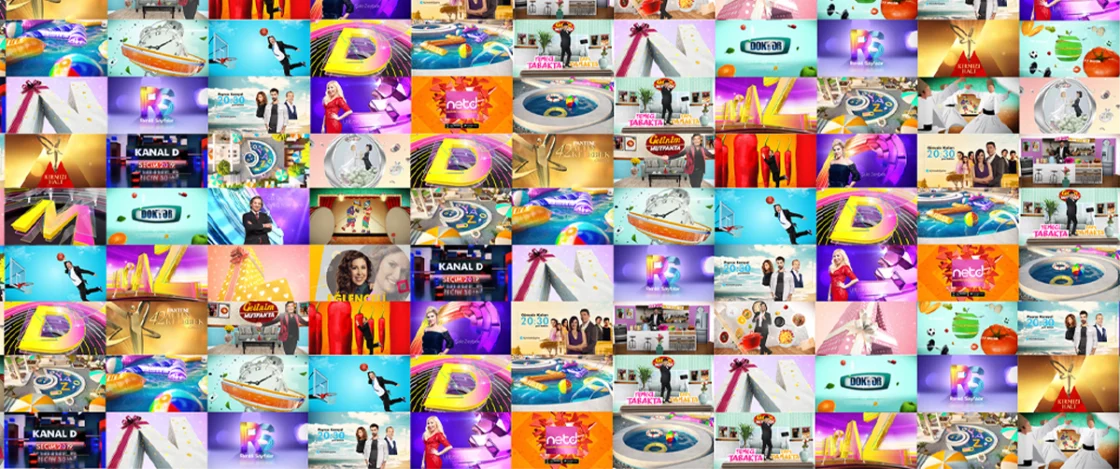
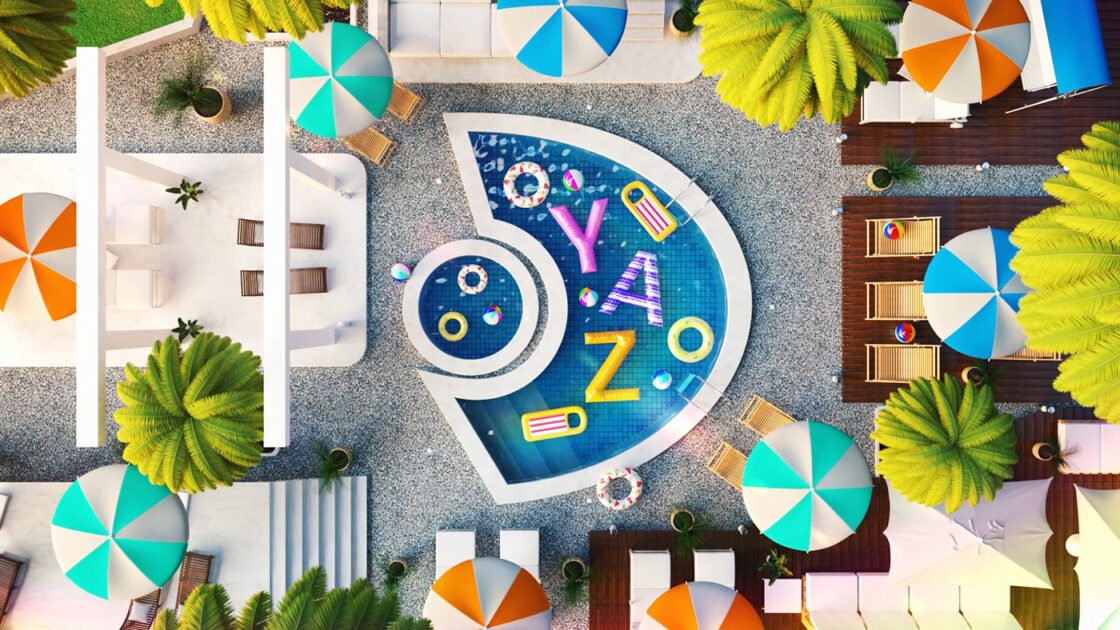
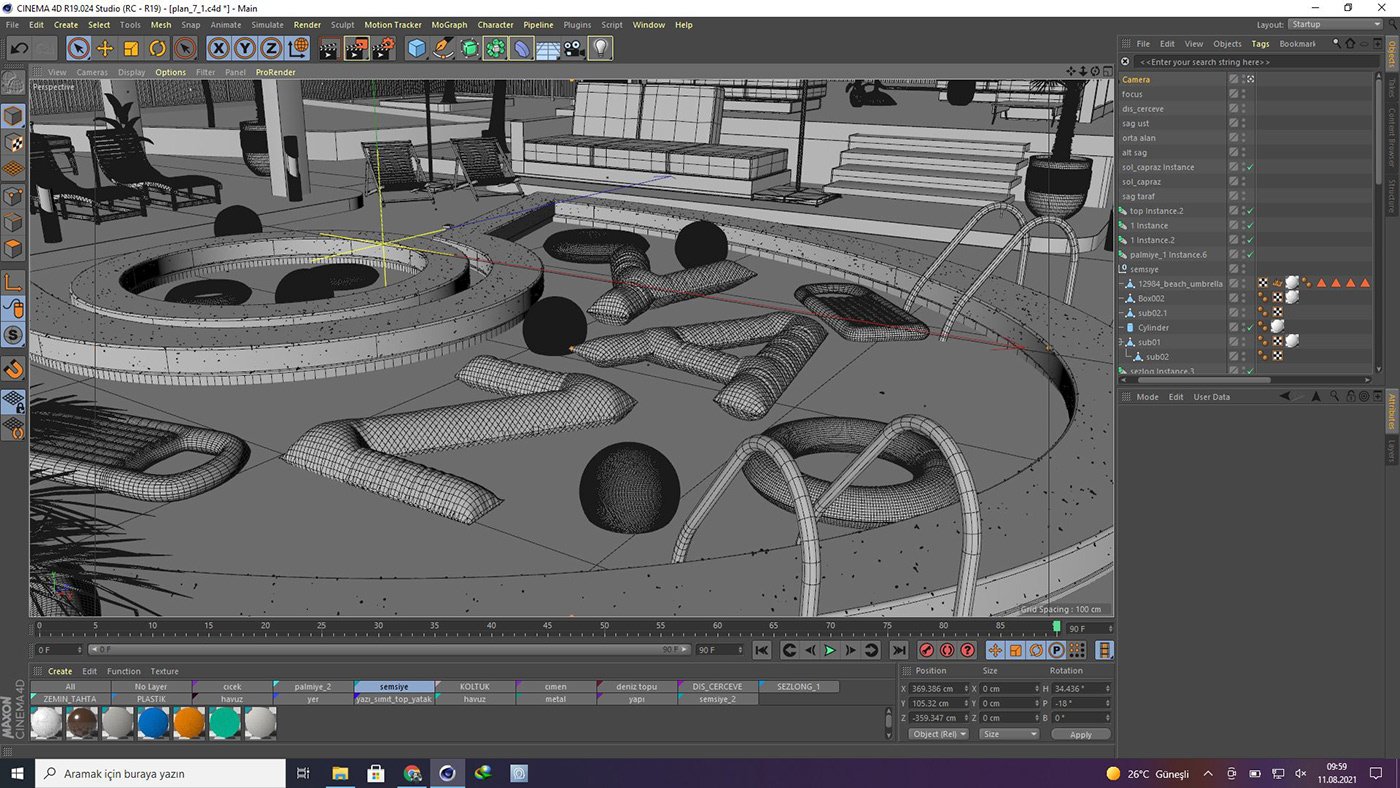
On the technical side, advanced MoGraph and procedural systems, simulation (pyro, cloth, dynamics), look development with complex shader networks, and ACES-based color management are covered. On the studio side, you will produce a broadcast package, a CGI product film, and a personal/experimental piece with an instructor from the television industry. This 12-week, 50-hour online program aims to advance participants from technical practitioner to art director; the final product is a curated portfolio and a new showreel.
Course Information
Duration: 50 hours / 12 weeks (approximately 4 hours of live sessions per week)
Format: Online (live sessions + one-on-one mentoring)
Level: Advanced / Masterclass
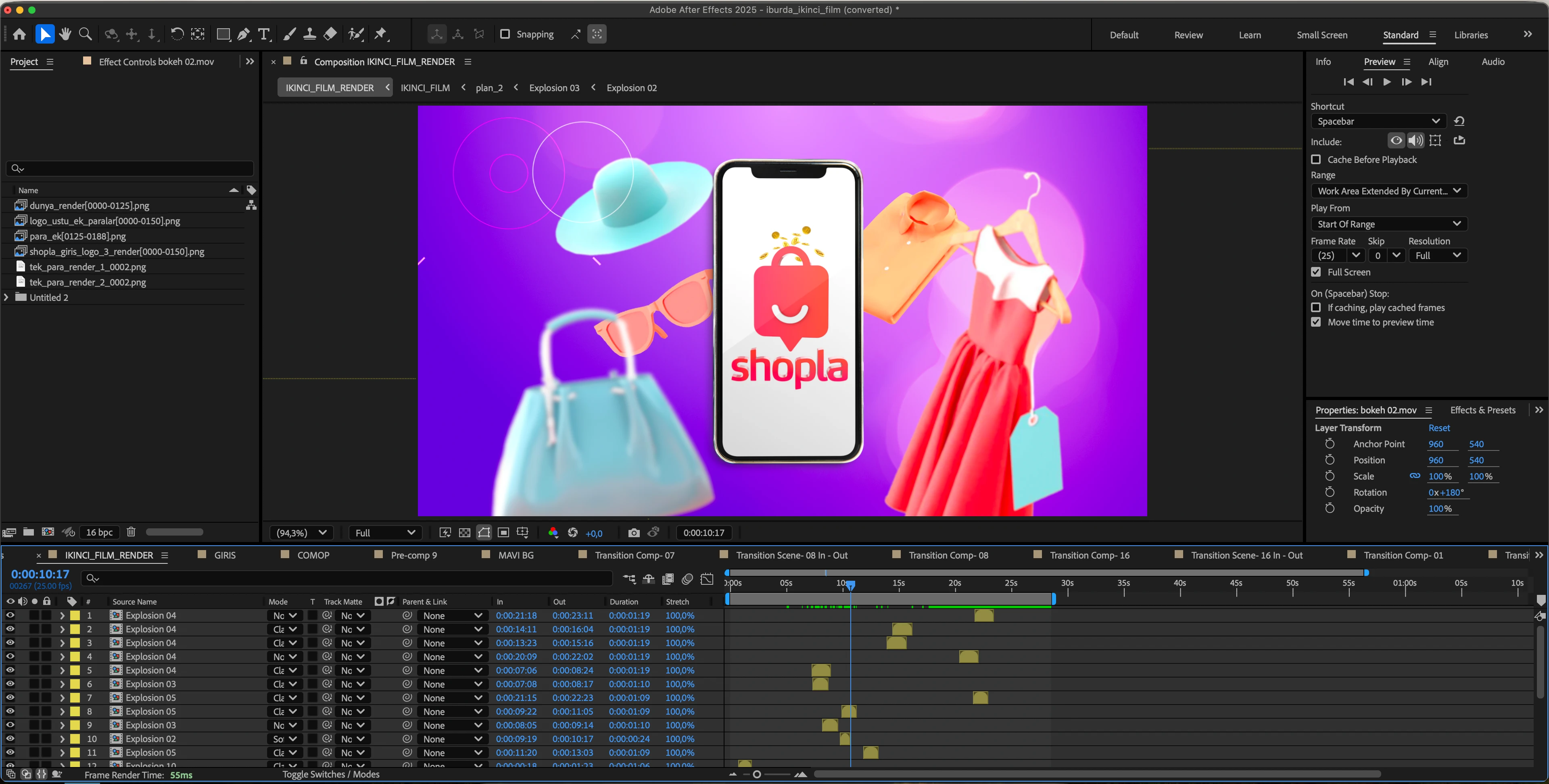
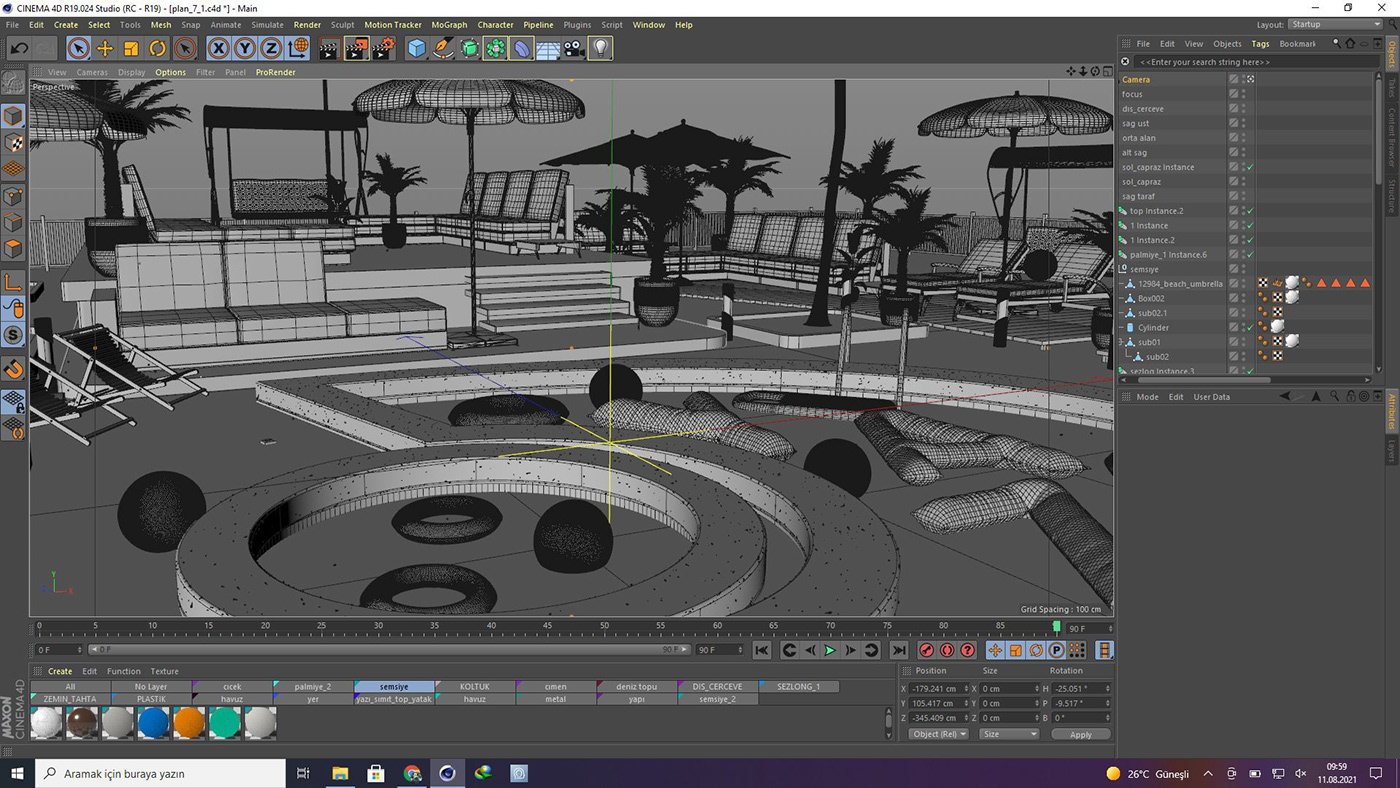
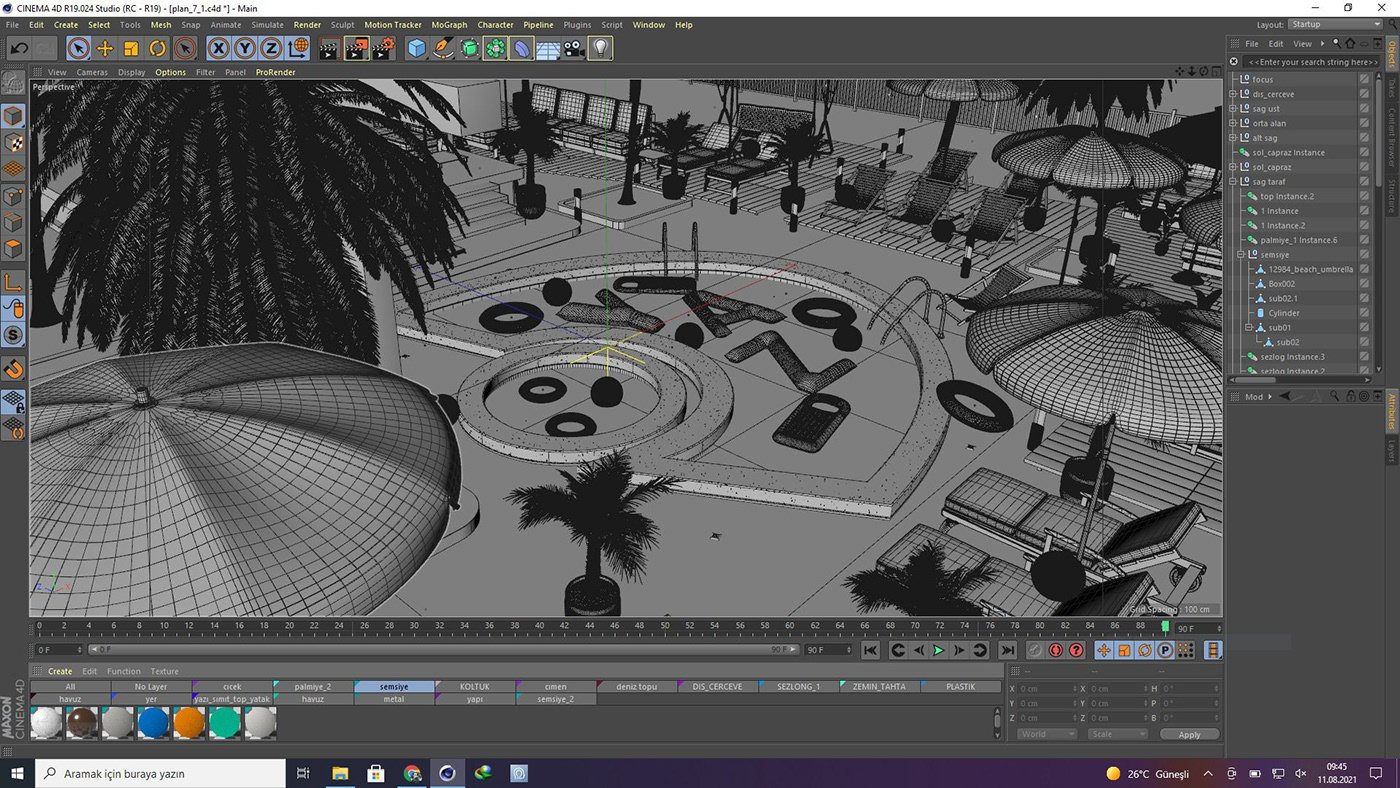
Software: Maxon Cinema 4D, Octane Render / Redshift, Adobe After Effects
Precondition: Intermediate level experience with Cinema 4D, After Effects, and Octane/Redshift (3D Motion Graphics package or equivalent)
Format: Online (live sessions + one-on-one mentoring)
Level: Advanced / Masterclass
Software: Maxon Cinema 4D, Octane Render / Redshift, Adobe After Effects
Precondition: Intermediate level experience with Cinema 4D, After Effects, and Octane/Redshift (3D Motion Graphics package or equivalent)
Who should attend?
- Motion designers who understand the 3D printing process and want to bring their work to industry standards.
- Those aiming for senior designer/art direction roles at television channels and agencies.
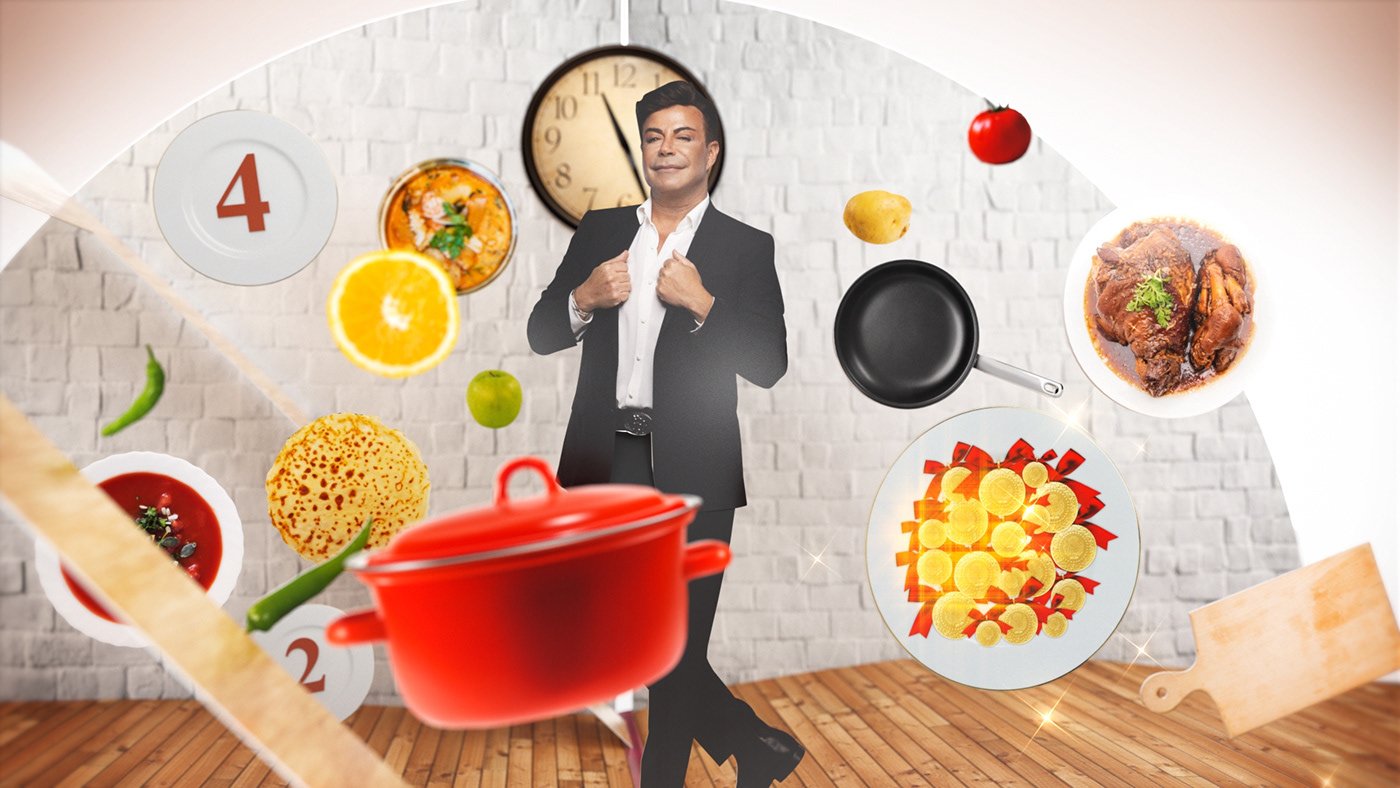
- Those who want to specialize in CGI advertising and product visualization.
- Those who want to move on to larger and better-paying projects in the freelance market
- Producers who want to build a personal visual language and a strong showreel.
What will you gain by the end of the course?
- Art direction practice: concept, reference analysis, styleframe presentation, and revision management.
- Advanced MoGraph, complex scene setup with simulation and procedural systems.
- Industry-standard look development with complex shader networks, SSS, displacement, and ACES.
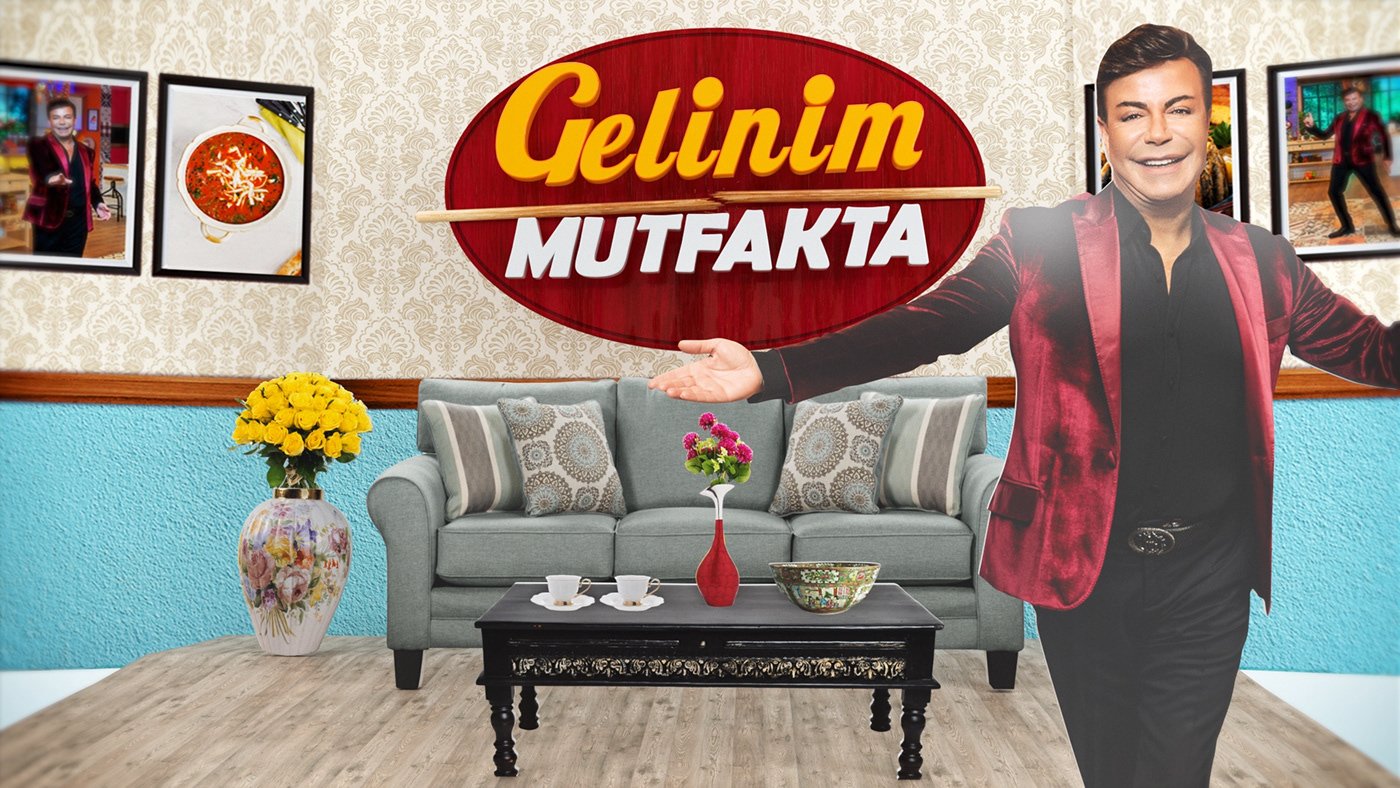
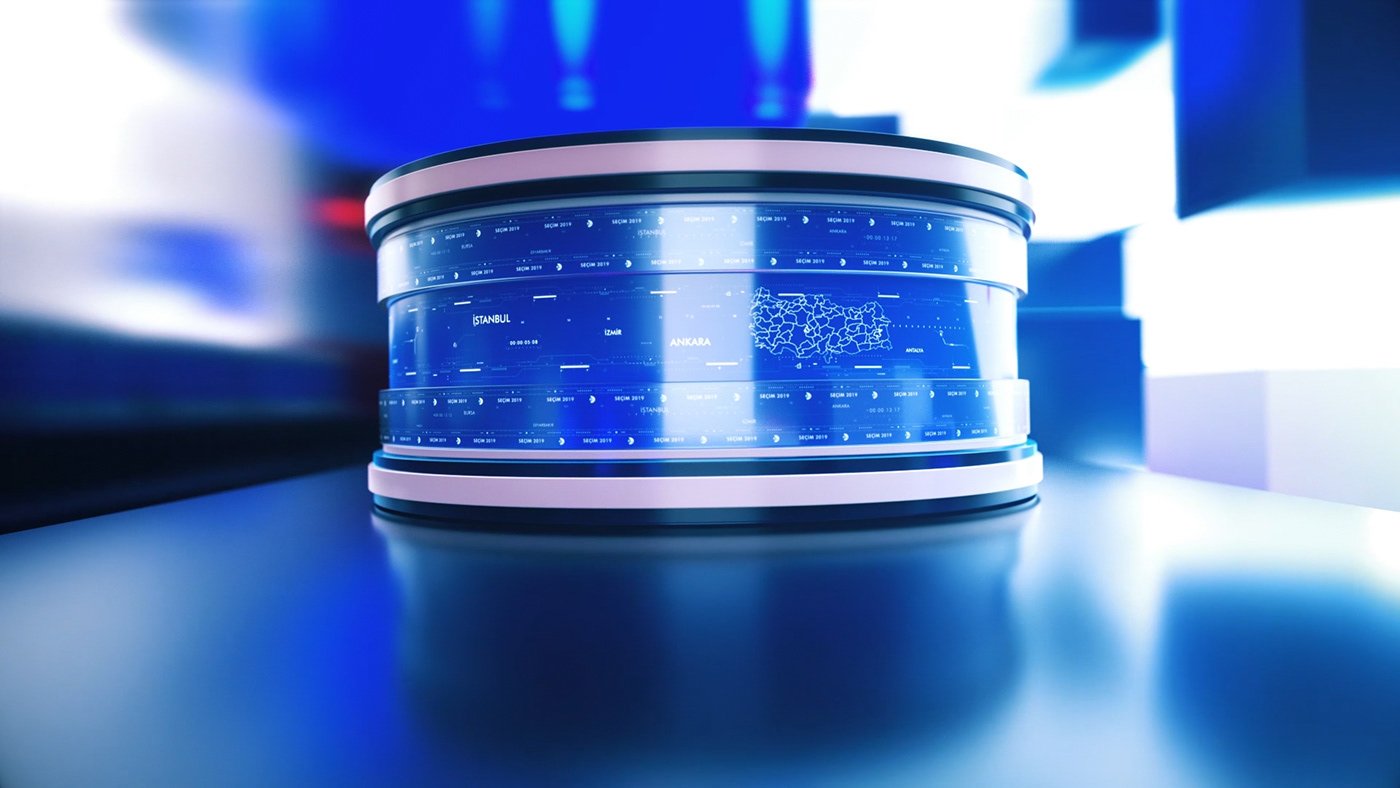
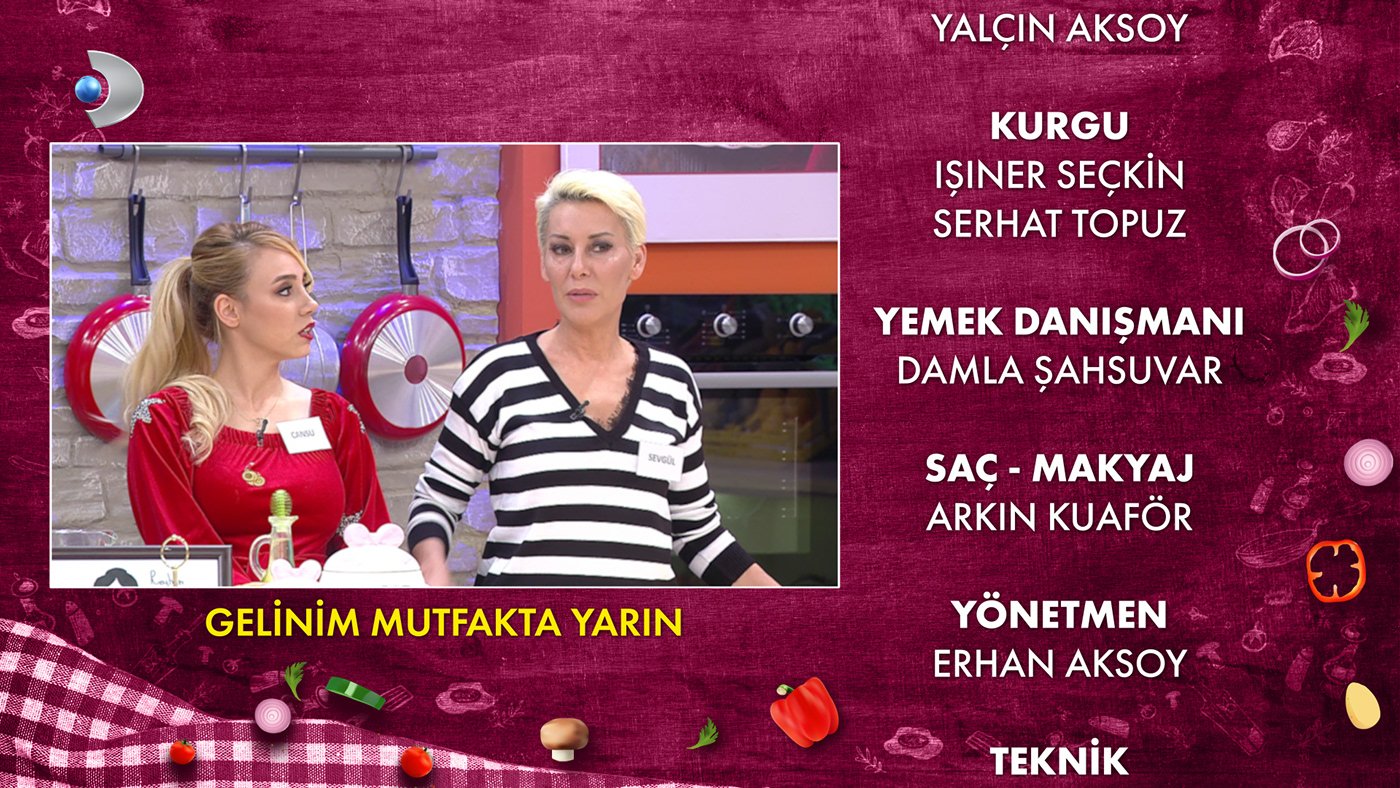
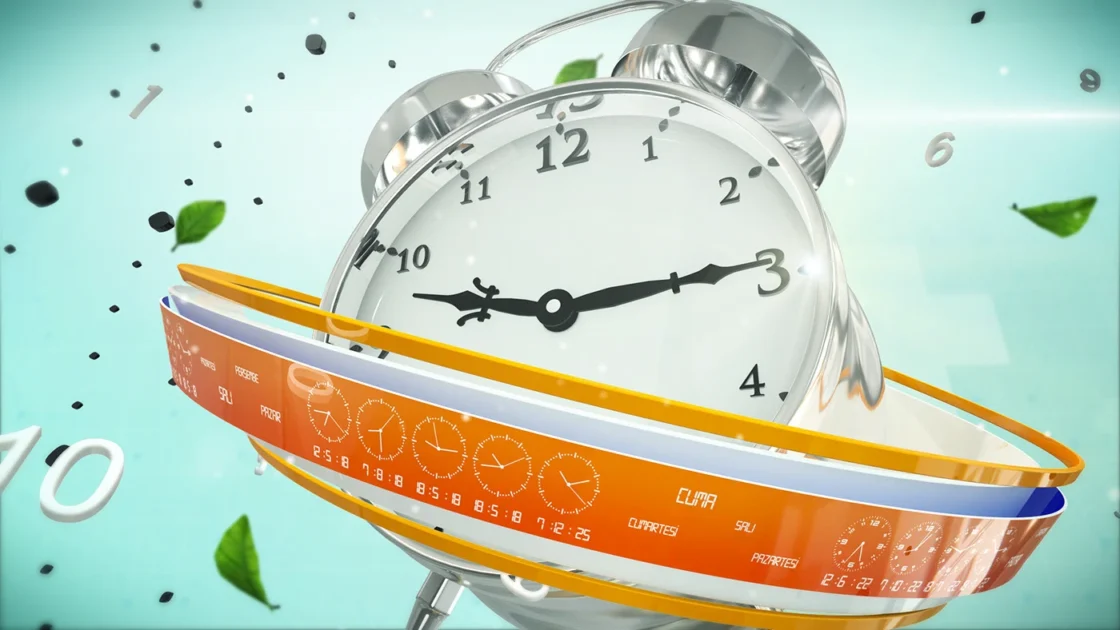
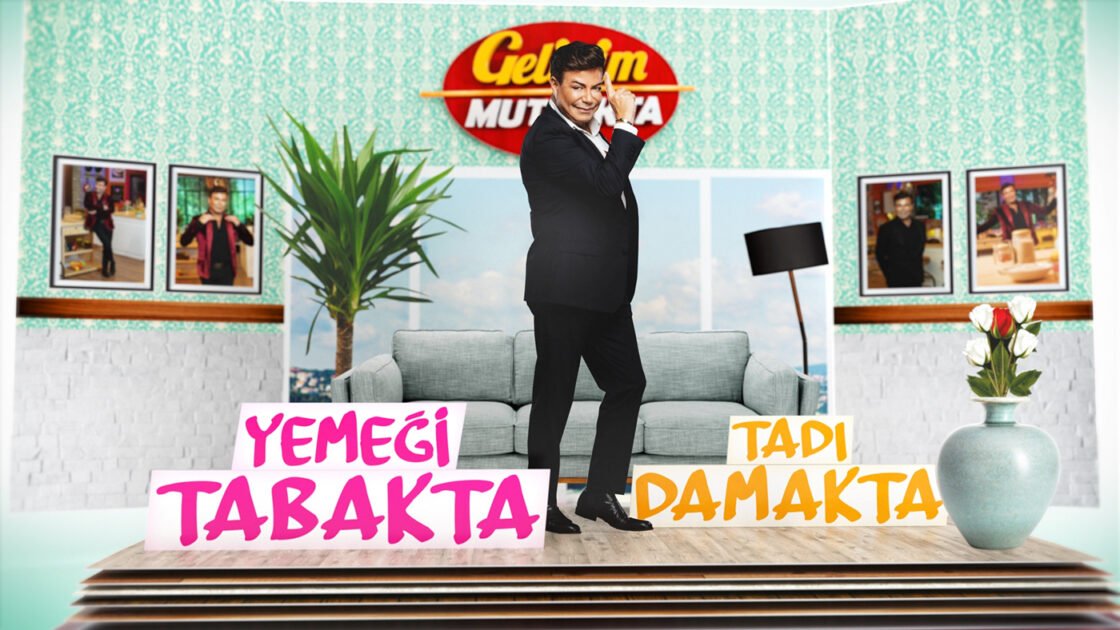
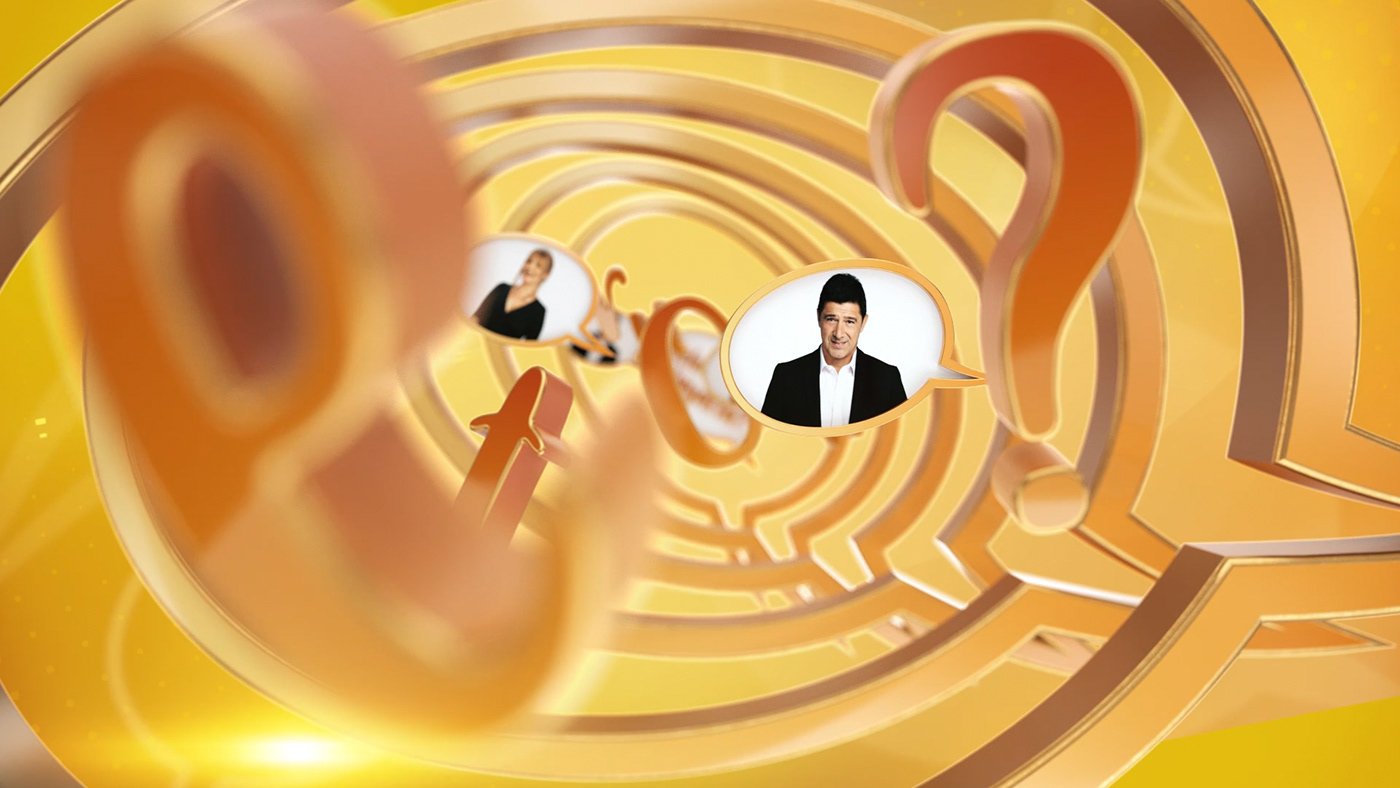
- Complete channel ID/broadcast package and CGI product film production experience.
- Curated portfolio, new showreel, and pricing-customer management expertise.
12-Week Program
Week 1 — Art Direction and Visual Language
Week 2 — Advanced MoGraph and Procedural Systems
Week 3 — Simulation I: Dynamics and Cloth
Week 4 — Simulation II: Pyro and Particles
Week 5 — Advanced Look Development
Week 6 — Cinematic Lighting and Color Direction
Week 7 — Studio I: Channel Identity — Concept
Week 8 — Studio I: Channel Identity — Production and Delivery
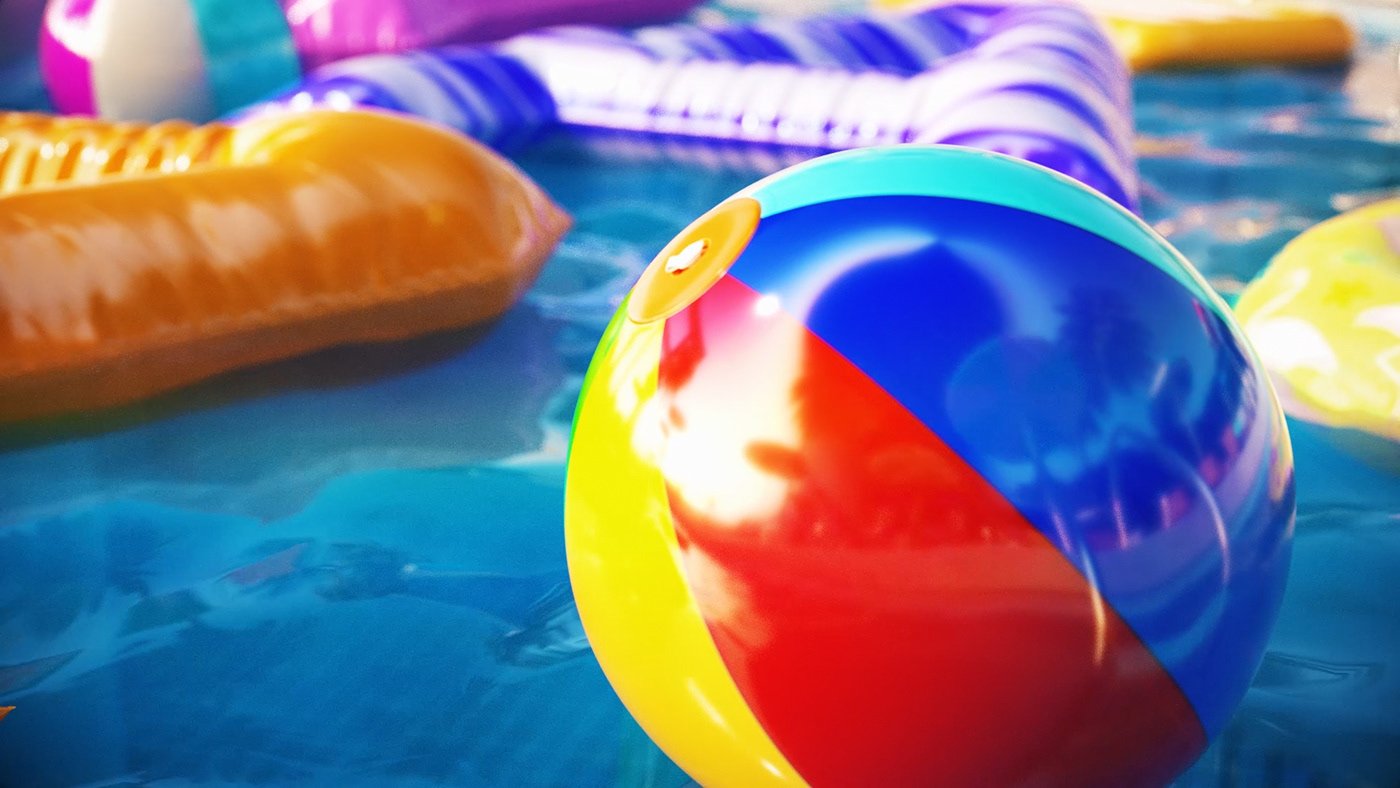
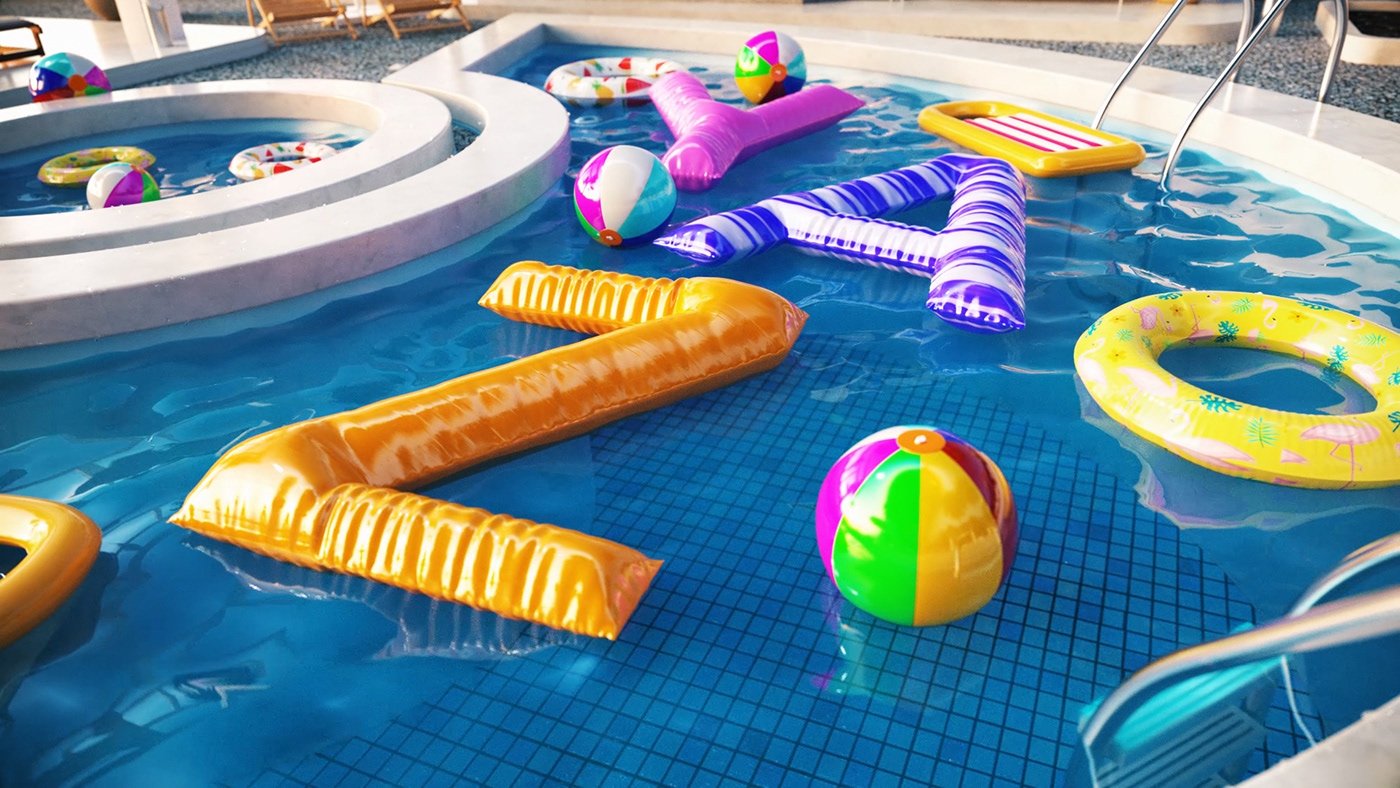
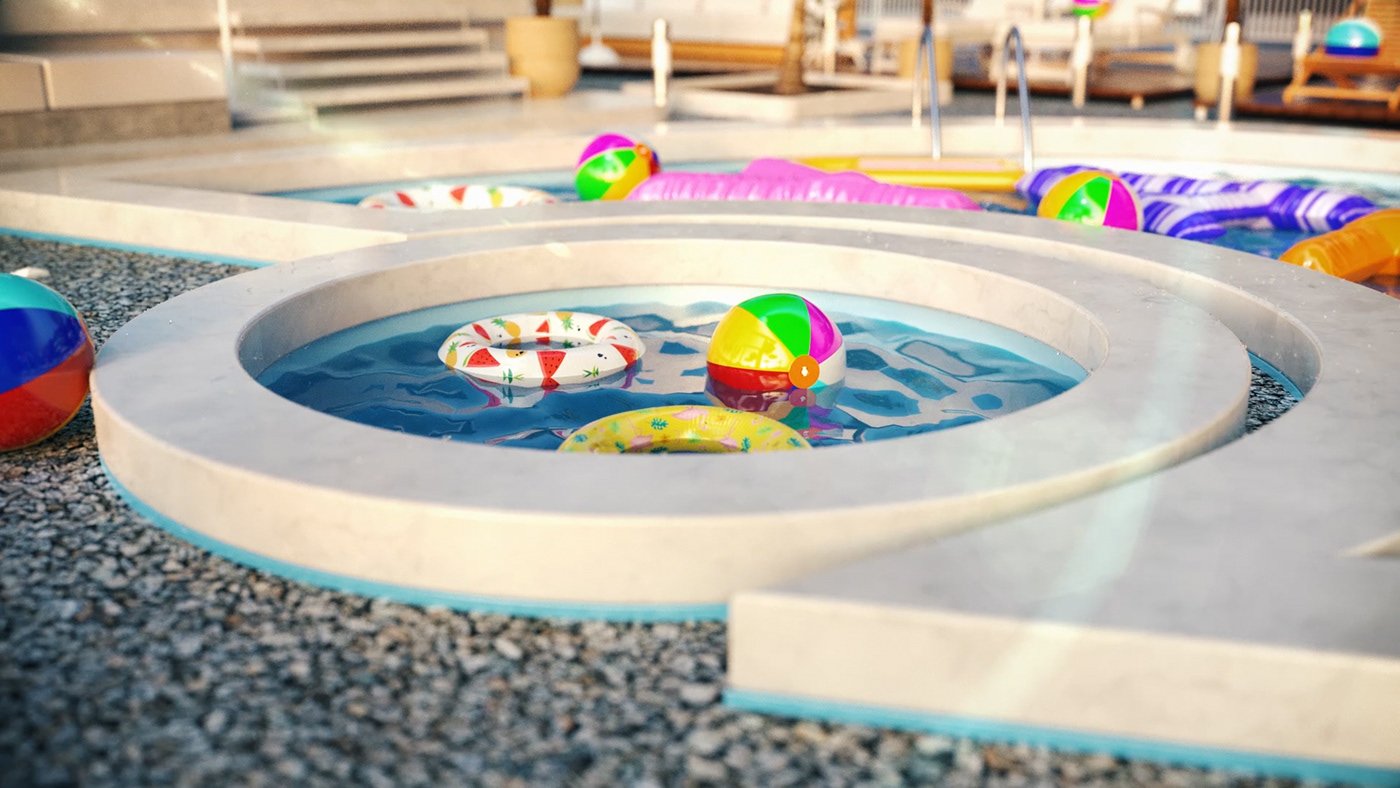
Week 9 — Studio II: CGI Commercials — Packshot and Look
Week 10 — Studio II: CGI Commercial — Product Film
Week 11 — Studio III: Personal/Experimental Work
Week 12 — Finale: Portfolio, Showreel and Industry
- Reference analysis: what makes a good job good?
- Concept development and moodboard discipline
- First exercises on personal style
Week 2 — Advanced MoGraph and Procedural Systems
- Advanced use of fields and layered effector setups.
- Introduction to XPresso and scene nodes
- Reusable procedural setups (rigs)
Week 3 — Simulation I: Dynamics and Cloth
- Advanced rigid body and soft body scenarios.
- Cloth simulation and fabric behavior
- Simulation-animation hybrid and caching strategies
Week 4 — Simulation II: Pyro and Particles
- Smoke and fire simulation with Pyro.
- Particle systems and field interaction.
- Volume rendering basics
Week 5 — Advanced Look Development
- Complex shader networks: layered materials
- FAQ, displacement and micro detail
- Look decisions in the material-light relationship.
Week 6 — Cinematic Lighting and Color Direction
- Dramatic lighting scenarios and atmosphere
- ACES-based color management
- Integrity in the camera-light-material triangle.
Week 7 — Studio I: Channel Identity — Concept
- Broadcast packet anatomy: ident, bumper, lower third
- Concept development based on a fictional channel brief.
- Styleframe set and presentation rehearsal.
Week 8 — Studio I: Channel Identity — Production and Delivery
- Ident animation and packet integrity
- Render planning and compositing
- Delivered to broadcast standards.
Week 9 — Studio II: CGI Commercials — Packshot and Look
- Product brief and campaign language
- Photorealistic packshot: modeling, materials, lighting
- Campaign-quality still visual production
Week 10 — Studio II: CGI Commercial — Product Film
- Camera choreography and product animation
- Render budget and time management
- Finishing: grade, grain and delivery formats
Week 11 — Studio III: Personal/Experimental Work
- Stylized rendering and non-photorealistic aesthetics.
- Everyday render culture and production rhythm
- Personal business development through one-on-one mentoring.
Week 12 — Finale: Portfolio, Showreel and Industry
- Portfolio curation: selection, sorting, narrative
- Showreel editing and music
- Pricing, client management, and agency-channel workflows; closing presentations.